
Team members
Dr. rer. nat. Jenny Rinke
Dr. med. Dr. rer. nat. Alexander Kaiser, M.Sc.
Dr. med. Sebastian Birndt
Maximilian Böhme (PhD-Doktorand)
Therese Wolfrum (PhD-Doktorandin)
Anja Waldau (MTA)


Outstanding science with an interdisciplinary emphasis is the hallmark of research in the Clinic for Internal Medicine II of the Jena University Hospital. This is reflected in our researchers’ participation in several joint research projects as well as in the support they receive from the German Research Council (DFG), the Federal Ministry of Education and Research (BMBF) and further foundations.
The research activities in the Department of Hematology and Medical Oncology focus on basic research into the molecular mechanisms of signal transduction in solid tumors and hematological malignancies.
In the field of translational research our scientists investigate the active principles of new substance classes for the treatment of leukemias and lymphomas as well as the diagnostic relevance of circulating tumor cells. Application of innovative therapies in multicenter trials is the focus of clinical research.
Click below for a description of each research group.
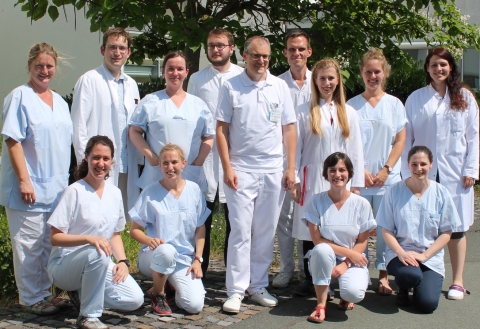
Dr. rer. nat. Jenny Rinke
Dr. med. Dr. rer. nat. Alexander Kaiser, M.Sc.
Dr. med. Sebastian Birndt
Maximilian Böhme (PhD-Doktorand)
Therese Wolfrum (PhD-Doktorandin)
Anja Waldau (MTA)
The group is working on the molecular pathogenesis, diagnosis and therapy of myeloid leukemia with a focus on chronic myelogenous leukemia (CML) and related myeloproliferative (MPN) and myelodysplastic (MDS) diseases. In close connection between the clinic and the laboratory, several translational research projects in the fields of molecular genetics, epigenetics, clonal evolution and aging are being worked on. Using state-of-the-art sequencing techniques (pyrosequencing, next-generation sequencing) and array technology, genome-wide studies of genetic and epigenetic alterations are performed and functionally characterized in the cell model. The data obtained are analyzed and correlated with clinical parameters (e.g., response to therapy and disease progression). As a result, new prognostic markers and molecular targets can be identified, which could help to develop new targeted therapies for affected patients.
If you are interested in doing your experimental doctoral dissertation with us, please contact Prof. Thomas Ernst.
Bundesministerium für Bildung und Forschung (BMBF), Deutsche José-Carreras-Leukämie-Stiftung, Hector-Stiftung
Dr. med. Maximilian Fleischmann
Department of Hematology and Oncology
Department of Internal Medicine II
Jena University Hospital
tel.: +49 (3641) 9-324258
email:
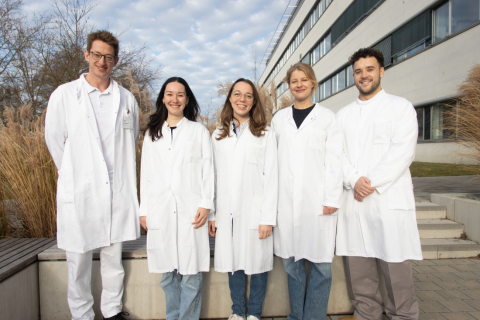
Research Focus
Acute myeloid leukemia (AML) is a highly heterogeneous hematologic malignancy characterized by the clonal expansion of immature myeloid progenitor cells, leading to progressive bone marrow failure and systemic complications. Despite substantial advances in molecular diagnostics and the development of targeted therapies, prognosis, particularly in elderly patients, remains poor. The genetic complexity of AML poses major challenges to durable disease control and highlights the need for improved and individualized therapeutic approaches.
The research of our group focuses on the investigation of cellular mechanisms associated with treatment response and therapy tolerance in AML. Using functional cell-based models in combination with molecular analytical methods, we study adaptive survival processes in leukemic cells under therapeutic pressure.
Combination Therapies and Treatment Resistance
The limited long-term efficacy of many current AML therapies has significantly increased interest in combination strategies aimed at overcoming resistance. While targeted agents may induce initial responses, compensatory survival processes are frequently activated, contributing to therapy tolerance and subsequent disease relapse. The simultaneous modulation of multiple signaling pathways through drug combinations offers the potential to achieve synergistic effects and improve therapeutic efficacy.
Our work aims to systematically investigate resistance mechanisms at the cellular level and to identify rational combination strategies that address these adaptive processes. To this end, we establish and characterize leukemia cell models that reflect therapy-adapted disease states. These models enable functional and molecular analyses of altered signaling networks and serve as platforms for evaluating novel therapeutic concepts.
Autophagy and Cellular Stress Responses
Autophagy is a central cellular stress-response mechanism that supports metabolic adaptation, survival under therapeutic pressure, and long-term persistence of leukemic cells. Increasing evidence suggests a key role of autophagy in therapy tolerance and disease relapse in AML. Accordingly, a major focus of our research is the investigation of autophagy-dependent survival mechanisms and their therapeutic modulation within combination treatment approaches.
Determinants of Treatment Response and Toxicity
The interindividual variability in therapeutic response as well as therapy-associated toxicities during AML treatment with vidaza and venetoclax represents a significant clinical challenge. Our research aims to investigate the robustness of healthy hematopoiesis in the context of anti-leukemic therapies and thereby contribute to improved therapy guidance and optimization.
Advanced Preclinical Models
A major limitation of translational leukemia research is the lack of physiologically relevant preclinical models that adequately recapitulate the bone marrow microenvironment. To address this challenge, our group is involved in the development of a three-dimensional, microfluidic tumor-on-chip culture system for the cultivation of primary AML cells. This interdisciplinary project is conducted in collaboration with Carl Zeiss Microscopy GmbH, Microfluidic ChipShop GmbH, the Institut für Bioprozess- und Analysenmesstechnik e. V., and Dyomics GmbH, and is funded by the Thuringian Development Bank.
Proteomics and Systems Biology Analyses
Our research is complemented by close collaboration with the Functional Proteomics Group led by jun. Prof. Dr. Florian Meier-Rosar. Within this collaboration, proteomic and phosphoproteomic analyses are performed on primary AML patient samples, to identify and characterize novel prognostic and therapy-relevant biomarkers and protein patterns associated with resistance development.
2026
Fleischmann M, Hansen O, Voigtländer D, Bechwar J, Schwietzer LJ, Bahr S, Schnetzke U, Fischer M, Heidel FH, Schnöder TM, Müller JP, Hochhaus A, Scholl S. Targeting MCL-1 and MAPK overcomes venetoclax resistance in FLT3-ITD–positive AML cells harboring activating PTPN11 (SHP-2) mutations. Br J Haematol. Accepted for publication.
2025
Papayannidis C, Schnetzke U, Fleischmann M, De La Fuente Burguera A, Metzeler K, Lane M, Zhou L, Hamdy A, Cerchione C. Preliminary pharmacokinetic and MRD results from AML patients treated with 7- and 14-day dosing schedule of emavusertib added to combination therapy with azacitidine and venetoclax. Blood. 2025;146(Suppl 1):5201. Poster presented at: ASH Annual Meeting 2025; Orlando, FL.
2024
Fleischmann M, Jentzsch M, Brioli A, Eisele F, Frietsch JJ, Eigendorff F, Tober R, Schrenk KG, Hammersen JF, Yomade O, Hilgendorf I, Hochhaus A, Scholl S, Schnetzke U. Azacitidine in combination with shortened venetoclax treatment cycles in patients with acute myeloid leukemia. Ann Hematol. 2024 Oct 25. doi: 10.1007/s00277-024-06048-5.
Fleischmann M, Bechwar J, Voigtländer D, Fischer M, Schnetzke U, Hochhaus A, Scholl S. Synergistic Effects of the RARalpha Agonist Tamibarotene and the Menin Inhibitor Revumenib in Acute Myeloid Leukemia Cells with KMT2A Rearrangement or NPM1 Mutation. Cancers. 2024; 16(7):1311. https://doi.org/10.3390/cancers16071311
Arends CM, Kopp K, Hablesreiter R, Estrada N, Christen F, Moll UM, Zeillinger R, Schmitt WD, Sehouli J, Kulbe H, Fleischmann M, Ray-Coquard I, Zeimet A, Raspagliesi F, Zamagni C, Vergote I, Lorusso D, Concin N, Bullinger L, Braicu EI, Damm F. Dynamics of clonal hematopoiesis under DNA-damaging treatment in patients with ovarian cancer. Leukemia. 2024 Jun;38(6):1378-1389. doi: 10.1038/s41375-024-02253-3.
2022
Fleischmann M, Schnetzke U, Frietsch JJ, Sayer HG, Schrenk K, Hammersen J, Glaser A, Hilgendorf I, Hochhaus A, Scholl S. Impact of induction chemotherapy with intermediate-dosed cytarabine and subsequent allogeneic stem cell transplantation on the outcome of high-risk acute myeloid leukemia. J Cancer Res Clin Oncol. 2021 Jul 23. doi: 10.1007/s00432-021-03733-0.
Fleischmann, M., Schnetzke, U., Hochhaus, A. et al. Ziele und Optionen der palliativen Therapie der akuten myeloischen Leukämie. Onkologie 28, 483–491 (2022). https://doi.org/10.1007/s00761-022-01151-6
2021
Fleischmann M, Schnetzke U, Hochhaus A, Scholl S. Management of Acute Myeloid Leukemia: Current Treatment Options and Future Perspectives. Cancers (Basel). 2021 Nov 16;13(22):5722. doi: 10.3390/cancers13225722.
Fleischmann M, Fischer M, Schnetzke U, Fortner C, Kirkpatrick J, Heidel FH, Hochhaus A, Scholl S. Modulation of FLT3-ITD Localization and Targeting of Distinct Downstream Signaling Pathways as Potential Strategies to Overcome FLT3-Inhibitor Resistance. Cells. 2021 Nov 3;10(11):2992. doi: 10.3390/cells10112992.
Our work is supported by funding from national and institutional programs, including:
Prof. Dr. Inken Hilgendorf (Group leader)
Klinik für Innere Medizin II
Abteilung Hämatologie und Internistische Onkologie
Universitätsklinikum Jena
Sarah Maria Haberbosch (Doktorandin)
Kristin Pulewka (Dipl.-Psychologin)
Nora Kiconco Rath (Doktorandin)
Pauline Rocke (Doktorandin)
Dr. med. Charlotte Schmidt-Hieber (Fachärztin)
Lena Tandetzky (Doktorandin)
The treatment of malignant hematologic or oncologic diseases can contribute to the occurrence of long-term side effects. These long-term consequences often go hand in hand with an impaired quality of life for those affected. Adolescents and young adults (AYA) are particularly affected due to their young age at the time of the disease.
The focus of our interest is on investigations into immune reconstitution and the pathogenesis and therapy of graft-versus-host disease (GvHD) after allogeneic blood stem cell transplantation, as well as the assessment of long-term consequences after tumor or cell therapy, including the analysis of the effectiveness of preventive measures. In cooperation with the Department of Infection Immunology at the Leibniz Institute for Natural Product Research & Infection Biology, we are investigating the mechanisms of T cell regulation after allogeneic blood stem cell transplantation. As a partner of the BMBF-funded PRETTY consortium, we are actively involved in the establishment of a personalized PREdiction model of Transplant ToxicitY through federated learning from data, expert judgement and patient perspectives.
Prof. Dr. med Jutta Huebner, Team Leader
Anne Christel, M.A.
Jennifer Dörfler, M.Sc.
Dr. rer. nat. Viktoria Mathies
Dr. rer. nat. Christina Mensger
Helena Pagiatakis, M. Sc.
Sarah Salomo, M.Sc.
Integrative oncology: what supports patients during and after therapy; Complementary and alternative medicine: how can we differentiate meaningful evidence-based methods from dangerous alternative medicine. Information for patients - how can we give patients good information. Which formats can we use and how.
Hübner J, Münstedt K, Micke O, Prott FJ, Schmidt T, Büntzel J, Keinki C. Komplementäre oder alternative Medizin in der Onkologie - Chancen oder Risiken? Innere Medizin 2023 https://doi.org/10.1007/s00108-022-01452-3
Huebner J, Muecke R, Micke O, Prott FJ, Josfeld L, Büntzel J, Büntzel J. Lay etiology concepts of cancer patients do not correlate with their usage of complementary and/or alternative medicine; J Cancer Res Clin Oncol 2023; https://doi.org/10.1007/s00432-022-04528-7
Reger M, Kutschan S, Freuding M, Schmidt T, Josfeld L, Huebner J. Water therapies (hydrotherapy, balneotherapy or aqua therapy) for patients with cancer: a systematic review. J Cancer Res Clin Oncol. 2022 Jun;148(6):1277-1297. doi: 10.1007/s00432-022-03947-w. Epub 2022
Hübner, J., Keinki, C. & Münstedt, K. Alternativmedizin in der Uroonkologie. Urologie 2023; 62, 34–40
Hübner J, Prott FJ, Büntzel J, Keinki C. Wer zahlt für komplementäre und alternative Medizin? Forum 2023; https://doi.org/10.1007/s12312-023-01187-8
Prager K, Passig K, Micke O, Zomorodbakhsch B, Keinki C, Hübner J. Chemotherapy induced polyneuropathy in cancer care — the patient perspective; Supp Care Cancer 2023; 31:235 – 248
Josfeld L, Zieglowski N, Möller J, Keinki C, Hübner J. Development and Application of a Quality Assessment Tool for Oncological Question Prompt Lists; J Cancer Edu 2023; https://doi.org/10.1007/s13187-023-02290-z
Brandt F, Schneider N, Altmann U, Strauß B, Hübner J, Keinki C. Psychometrische Eigenschaften des Qualiskope-A zur Messung der Patientenzufriedenheit mit der ambulant-ärztlichen Behandlung: Einsatz in der Onkologie und Übertragbarkeit auf die stationäre Versorgung; Das Gesundheitswesen 2023; 10.1055/a-2016-7948
Schneider N, Bäcker A, Strauss B, Hübner J, Rubai S, Wagner S et al. Patient information, communication and competence empowerment in oncology: Results and learnings from the PIKKO study; Supportive Care Cancer 2023; 31:327
Cofré A, Walter S, Buentzel J, Hübner J. Malnutrition in Head and Neck Cancer: A Patient-reported Outcome Study; Anticancer Res 2023, 43 (4) 1663-1673; DOI: https://doi.org/10.21873/anticanres.16318
Hübner J, Keinki C, Büntzel J. Komplementäre und alternative Medizin – eine Option bei chronischen Schmerzpatienten? Schmerz 2023 https://doi.org/10.1007/s00482-023-00719-4
Schneider N, Strauss B, Hübner J, Keinki C, Brandt F, Rubai S, Altmann U. The impact of the COVID-19 pandemic restrictions on the health care utilization of cancer patients. BMC Cancer 2023; 23, 439. https://doi.org/10.1186/s12885-023-10945-9
Hübner J, Rudolph I, Wozniak T, Pietsch R, Margolina M, Garcia I, Mayr-Welschlau K, Schmidt T, Keinki C, on behalf of Working Group Prevention and Integrative Oncology of the German Cancer Society Evaluation of a Virtual Dance Class for Cancer Patients and Their Partners during the Corona Pandemic—A Real-World Observational Study. Curr. Oncol. 2023, 30, 4427–4436
Kühnel C, Salomo S, Pagiatakis H, Hübner J, Seifert P, Freesmeyer M, Gühne F. Medical Students’ and Radiology Technician Trainees’ eHealth Literacy and Hygiene Awareness—Asynchronous and Synchronous Digital Hand Hygiene Training in a Single-Center Trial. Healthcare 2023, 11, 1475. https://doi.org/10.3390/healthcare11101475
Josfeld L, Huebner J. Development and analysis of quality assessment tools for different types of patient information – websites, decision aids, question prompt lists, and videos; BMC Med Inform Dec Making 2023;23:111
Cramer A, Keinki C, Saur F, Walter S, Hübner J. eHealth literacy, internet and eHealth service usage: a survey among a German municipality; J Public Health 2023; https://doi.org/10.1007/s10389-023-01997-z
Colditz C, Keinki C, Huebner J. Self help management of patients undergoing chemotherapy: analysis of the online forum of the women’s self help association against cancer; Breast Cancer 2023; https://doi.org/10.1007/s12282-023-01481-2
Mohring S, von Grundherr J, Mathies V, Hübner J: Internet Information for Cancer Patients on Nutritional Behaviour. An Analysis of German-Speaking Websites. Ernahrungs Umschau 2023; 70(4): 42–53.
Shalgouny M, Bertz Lepel J, Fischer v. Weikersthal L, Herbin L, Meier Höfig M, Mücke R, Rohe U, Stauch T, Stoll C, Troeltzsch D, Wittmann S, Kurz O, Naumann R, Huebner J. Introducing a standardized assessment of patients’ interest in and usage of CAM in routine cancer care: chances and risks from patients’ and physicians’ point of view; J Cancer Res Clin Oncol 2023, https://doi.org/10.1007/s00432-023-05182-3
Matjuschenko K, Keinki C, Huebner J. Patients’ Reasons to Consider and Their Attitudes toward Complementary and Alternative Medicine; Eur J Cancer Care; 2023, https://doi.org/10.1155/2023/8808797
Möller J, Josfeld L, Keinki C, Zieglowski N, Büntzel J, Hübner J The quality of German - language patient decision aids for oncological patients on the internet; BMC Medical Informatics and Decision Making 2023 23:161; https://doi.org/10.1186/s12911-023-02259-4
Dörfler J, Freuding M, Zaiser C, Büntzel J, Keinki C, Käsmann L. Hübner J. Umbrella review: Summary of findings for acupuncture as treatment for radiation-induced xerostomia; Head & Neck. 2023;1–19. DOI: 10.1002/hed.27297
Bargehr B, Fischer von Weikersthal L, Junghans C, Zomorodbakhsch B, Stoll C, Prott FJ, Fuxius S, Micke O, Hübner J, Büntzel J, Hoppe C. Sense of coherence and its context with demographics, psychological aspects, lifestyle, complementary and alternative medicine and lay aetiology; J Cancer Res Clin Oncol 2023; https://doi.org/10.1007/s00432-023-04760-9
Mathies V, Krings O, Keinki C, Micke O, Hübner J. Vitamin D deficiency in cancer care: Information, diagnnosis, and supplementation form the patients' point of view; Trace Elements Electrolytes 2023(4): 143-151
Jutta Hübner. Komplementäre Onkologie; Urban & Fischer. 2024 ISBN 978-3-437-15076-0
Zeidler J, Kutschan S, Dörfler J, Büntzel J, Huebner J. Impact of nutrition counseling on nutrition status in patients with head and neck cancer undergoing radio‑ or radiochemotherapy: a systematic review; Eur Arch Oto-Rhino-Laryngol 2024; https://doi.org/10.1007/s00405-023-08375-1
Salomo S, Hackl T, Hübner J, Hagemeyer B. Dreaming in patients with cancer and their partners–an underestimated factor for quality of life? J Sleep Res 2024; e14169. https://doi.org/10.1111/jsr.14169
Hofinger J, Kaesmann L, Buentzel J, Scharpenberg M, Huebner J. Systematic assessment of the influence of quality of studies on mistletoe in cancer care on the results of a meta analysis on overall survival; J Cancer Res Clin Oncol 2024;150:219-232; https://doi.org/10.1007/s00432-024-05742-1
Heuschkel G, Fischer von Weikersthal L, Junghans C, Zomorodbakhsch B, Stoll C, Prott FJ, Fuxius S, Micke O, Richter A, Sallmann D, Büntzel J, Hoppe C, Huebner J. Spirituality in Oncology: Relations between Spirituality, Its Facets, and Psychological and Demographic Factors in Cancer Patients in Germany. Oncol Res Treat. 2024;47(4):123-134.
Ritschel ML, Hübner J, Wurm-Kuczera R, Büntzel J. Phytotherapy known and applied by head-neck cancer patients and medical students to treat oral discomfort in Germany: an observational study. J Cancer Res Clin Oncol. 2023 May;149(5):2057-2070.
Schneider, N., Altmann, U., Brandt, F., Hübner, J., Strauss, B., Keinki, C. A web-based knowledge database to provide evidence-based information to cancer patients: Utilization within the PIKKO study. Supp Care Cancer 2024;32(8), 521. https://doi.org/10.1007/s00520-024-08725-7
Cofré A, Walter S, Buentzel J, Hübner J. Malnutrition in Head and Neck Cancer: A Patient-reported Outcome Study. Anticancer Res. 2023 Apr;43(4):1663-1673.
Klaus M, Kutschan S, Männle H, Hübner J, Dörfler J. Reflexology in oncological treatment – a systematic review; Complement Med Ther 2024; 32 https://doi.org/10.1186/s12906-023-04220-4
Büttner J, Büntzel J, Büntzel J, Hübner J. Side-effects of Phytotherapeutics in Cancer Care – A Review of Inconsistencies in National and International Databases; Anticancer Res2024; 44: xxx-xxx doi:10.21873/anticanres.11xxx
Stege H, Schneider S, Forschner A, Eigentler T, Nashan D, Huening S, Lehr S, Meiss F, Kaatz M, Kuchen R, Kaehler KC, Haist M, Grabbe S, Huebner J, Loquai C. Second opinion and self-efficacy in German skin cancer patients. J Dtsch Dermatol Ges. 2024 Sep 12. doi: 10.1111/ddg.15512. Epub ahead of print. PMID: 39263772.
Davitian K, Noack P, Eckstein K, Hübner J, Ahmadi E. Barriers of Ukrainian refugees and migrants in accessing German healthcare. BMC Health Serv Res. 2024 Sep 24;24(1):1112. doi: 10.1186/s12913-024-11592-x. PMID: 39317924.
Gutsche LC, Dörfler J, Hübner J. Curcumin as a complementary treatment in oncological therapy: a systematic review. Eur J Clin Pharmacol. 2024 Oct 19. doi: 10.1007/s00228-024-03764-9.
Elnahas M, Hübner J, Lang PM, Ahmadi E. Job Satisfaction Among First-Generation Migrant Physicians in Anesthesiology and Intensive Care Medicine in Germany. Healthcare 2024, 12, 2107.https://doi.org/10.3390/healthcare12212107
Huchel S, Grumt A, Keinki C, Buentzel J, Käsmann L, Huebner J. Quality Assessment of YouTube Videos on Complementary and Alternative Medicine (CAM) for Cancer Using a Newly Developed Tool. Integr Cancer Ther. 2024 Jan-Dec;23:15347354241293417. doi: 10.1177/15347354241293417. PMID: 39468423.
Saur FG, Keinki C, Cramer A, Buentzel J, Hübner J. Education and Communication on the Topic of Osteonecrosis of the Jaw When Taking Bone‐Stabilizing Drugs; Clinical and Experimental Dental Research, 2024; 10:e70024; http://dx.doi.org/10.1002/cre2.70024
Hübner J, Wölfl H, Otto L, Grohmann E, Walter S, Keinki C. Patienteninitiierte Forschung in der Onkologie. Onkologie (2024). https://doi.org/10.1007/s00761-024-01622-y
Salomo S, Hübner J. Development and implementation of a new part-time continuing education course in integrative oncology. GMS J Med Educ. 2024;41(5):Doc64.DOI: 10.3205/zma001719, URN: urn:nbn:de:0183-zma0017190
Krannich F, Mücke R, Büntzel J, Schomburg L, Micke O, Hübner J, Dörfler J. A systematic review of Selenium as a complementary treatment in cancer patients. Complement Ther Med. 2024 Nov;86:103095. doi: 10.1016/j.ctim.2024.103095. Epub 2024 Oct 6. PMID: 39374898.
Heß M, Huebner J, Dawczynski C, Serzisko J, Erickson N., Micke O, Schnetzke U, Scholl S, Mathies V. Effect of cancer therapy on the uptake and supply of selected micronutrients in acute myeloid leukemia; Trace Elements Electrolytes 2024;41:89-96; doi 10.5414/TE500083
Dr. rer. nat. Jenny Rinke (Group leader)
Abteilung Hämatologie und Internistische Onkologie
Klinik für Innere Medizin II
Universitätsklinikum Jena
Tel.: +49 (3641) 9-325823
Fax: +49 (3641) 9-325822
email:
Lina Schäfer, Master’s student
Paula Röthel, Master’s student
Cornelia Jörke, MTA
Renate Zietz, MTA
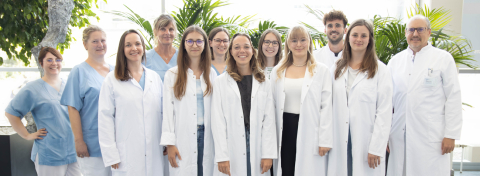
Our research focus is on the investigation of molecular markers that play a role in the development of resistance and genomic instability in tumors, as well as their impact on the effectiveness of treatment. Another central aspect of our work is the development and application of innovative technologies that support us in improving cancer diagnostics and therapy, and in gaining a deep understanding of the molecular mechanisms behind tumor resistance and therapy response.
Digital PCR (dPCR):
With the QIAcuity system, we perform highly precise, absolute quantifications of tumor markers and resistance-associated mutations. This technique allows us to identify minimally invasive biomarkers for diagnosis and treatment monitoring.
Next-Generation Sequencing (NGS):
We analyze the genetic diversity of cancer patients, focusing on low-level mutations and patient-specific gene fusions, to better understand individual disease courses.
Nanopore Sequencing:
Using the MinION system, we aim to identify resistance mutations in a cost-effective and time-efficient manner, ensuring sensitive detection.
Single-Cell Analysis:
The CellCelector allows us to precisely isolate and analyze individual cells, especially tumor-suspicious circulating epithelial-antigen-positive cells, to evaluate their suitability as predictive markers for treatment success in solid tumors.
3D Cell Models:
Another important focus of our research is the development and application of 3D cell models to improve the transferability of results from cell culture to clinical practice. Compared to classic 2D cell cultures, 3D models provide a more realistic reproduction of the tumor microenvironment. The use of these models is not only crucial for preclinical evaluation of new therapeutic approaches but also offers the possibility of studying therapy response individually in primary cells within the framework of personalized medicine.
Rinke J, Schäfer V, Schmidt M, Ziermann J, Kohlmann A, Hochhaus A, Ernst T. 2013. Genotyping of 25 leukemia-associated genes in a single work flow by next-generation sequencing technology with low amounts of input template DNA. Clin Chem; 59(8):1238-50.
Schmidt M*, Rinke J*, Schäfer V, Schnittger S, Kohlmann A, Obstfelder E, Kunert C, Ziermann J, Winkelmann N, Eigendorff E, Haferlach T, Haferlach C, Hochhaus A, Ernst T. 2014. Molecular-defined clonal evolution in patients with chronic myeloid leukemia independent of the BCR-ABL status. Leukemia; 28(12): 2292-9. *geteilte Erstautorschaft
Rinke J, Müller JP, Blaess MF, Chase A, Meggendorfer M, Schäfer V, Winkelmann N, Haferlach C, Cross NCP, Hochhaus A, Ernst T. 2017. Molecular characterization of EZH2-mutant patients with myelodysplastic/myeloproliferative neoplasms. Leukemia.
Rinke J, Chase A, Cross NCP, Hochhaus A, Ernst T. 2020. EZH2 in Myeloid Malignancies. Cells; 9(7):1639. Review
Rinke J, Hochhaus A, Ernst T. 2020. CML - Not only BCR-ABL1 matters. Best Pract Res Clin Haematol; 33(3):101194. Review
Midic D, Rinke J, Perner F, Müller V, Hinze A, Pester F, Landschulze J, Ernst J, Gruhn B, Matziolis G, Heidel FH, Hochhaus A, Ernst T. 2020. Prevalence and dynamics of clonal hematopoiesis caused by leukemia-associated mutations in elderly individuals without hematologic disorders. Leukemia; 34(8):2198-2205.
Hinze A, Rinke J, Hochhaus A, Ernst T. 2020. Durable remission with ruxolitinib in a chronic neutrophilic leukemia patient harboring a truncation and membrane proximal CSF3R compound mutation. Ann Hematol; 100(2):581-584.
Schönfeld L*, Rinke J*, Hinze A, Nagel SN, Schäfer V, Schenk T, Fabisch C, Brümmendorf TH, Burchert A, le Coutre P, Krause SW, Saussele S, Safizadeh F, Pfirrmann M, Hochhaus A, Ernst T. 2022. ASXL1 mutations predict inferior molecular response to nilotinib treatment in chronic myeloid leukemia. Leukemia; 36(9):2242-2249. *geteilte Erstautorschaft
Oliinyk D, Will A, Schneidmadel FR, Böhme M, Rinke J, Hochhaus A, Ernst T, Hahn N, Geis C, Lubeck M, Raether O, Humphrey SJ, Meier F. µPhos: a scalable and sensitive platform for high-dimensional phosphoproteomics. Mol Syst Biol. 2024 Aug;20(8):972-995.
Wickel J, Schnetzke U, Sayer-Klink A, Rinke J, Borie D, Dudziak D, Hochhaus A, Heger L, Geis C. Anti-CD19 CAR-T cells are effective in severe idiopathic Lambert-Eaton myasthenic syndrome. Cell Rep Med. 2024 Nov 19;5(11):101794.
Thüringer Aufbaubank
BMBF (Federal Ministry of Education and Research)
Dr. Tino Schenk
Klinik für Innere Medizin II
Universitätsklinikum Jena
Abteilung Hämatologie und Internistische Onkologie
Labor im
Institut für Molekulare Zellbiologie
Zentrum für Molekulare Biomedizin (CMB)
Hans-Knöll-Strasse 2
07745 Jena
Faezeh Ghazvini Zadegan (Ph.D.-Studentin)
Clara Stanko (Ph.D.-Studentin)
Setenay Gupse Özcan (Ph.D.-Studentin, mit dem FLI Jena)
Laura Burkhardt (M.Sc. Studentin)
Marianne Rosenthal (M.Sc. Studentin)
Theresa Nägler (M.Sc. Studentin)
Dhaarna Gobin (M.Sc. Studentin, Fachhochschule Jena, mit dem IPHT)
Franziska Fiedler (Doktorandin, Medizin)
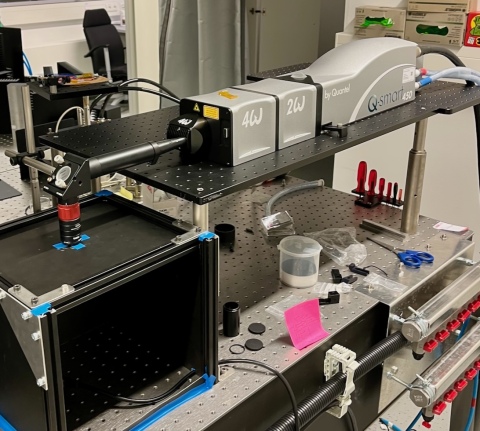
Unsere Arbeitsgruppe erforscht die molekularen Mechanismen hämatologischer und onkologischer Erkrankungen, mit besonderem Fokus auf genetische und epigenetische Faktoren, die dem Differenzierungsblock leukämischer Stammzellen und Blasten zugrunde liegen. Ein zentraler Schwerpunkt liegt auf der Rolle von Transkriptionsfaktoren und epigenetischen Modifikationen in der Krankheitsentstehung und -progression sowie auf der Freisetzung des kurativen Potenzials der All-trans-Retinsäure (ATRA) in der Akuten Myeloischen Leukämie (AML).
Wir entwickeln und nutzen innovative biophotonische Methoden, wie UV Laser ChIP-seq und Laser-Flow-Cytometry, um spezifische DNA-Protein-Interaktionen und aberrante Zellveränderungen zu analysieren. Ziel ist es, grundlegende biologische Prozesse besser zu verstehen und neue Ansätze für Diagnose, Therapie und personalisierte Medizin zu etablieren.
Schenk, T., Chen, W. C., Göllner, S., Howell, L., Jin, L., Hebestreit, K., Klein, H. U., Popescu, A. C., Burnett, A., Mills, K., Casero, R. A., Jr, Marton, L., Woster, P., Minden, M. D., Dugas, M., Wang, J. C., Dick, J. E., Müller-Tidow, C., Petrie, K., & Zelent, A. (2012). Inhibition of the LSD1 (KDM1A) demethylase reactivates the all-trans-retinoic acid differentiation pathway in acute myeloid leukemia. Nature medicine, 18(4), 605–611. https://doi.org/10.1038/nm.2661
Schenk, T., Stengel, S., & Zelent, A. (2014). Unlocking the potential of retinoic acid in anticancer therapy. British journal of cancer, 111(11), 2039–2045. https://doi.org/10.1038/bjc.2014.412
Göllner, S., Oellerich, T., Agrawal-Singh, S., Schenk, T., Klein, H. U., Rohde, C., Pabst, C., Sauer, T., Lerdrup, M., Tavor, S., Stölzel, F., Herold, S., Ehninger, G., Köhler, G., Pan, K. T., Urlaub, H., Serve, H., Dugas, M., Spiekermann, K., Vick, B., … Müller-Tidow, C. (2017). Loss of the histone methyltransferase EZH2 induces resistance to multiple drugs in acute myeloid leukemia. Nature medicine, 23(1), 69–78. https://doi.org/10.1038/nm.4247
Steube, A., Schenk, T., Tretyakov, A., & Saluz, H. P. (2017). High-intensity UV laser ChIP-seq for the study of protein-DNA interactions in living cells. Nature communications, 8(1), 1303. https://doi.org/10.1038/s41467-017-01251-7
Kahl, M., Brioli, A., Bens, M., Perner, F., Kresinsky, A., Schnetzke, U., Hinze, A., Sbirkov, Y., Stengel, S., Simonetti, G., Martinelli, G., Petrie, K., Zelent, A., Böhmer, F. D., Groth, M., Ernst, T., Heidel, F. H., Scholl, S., Hochhaus, A., & Schenk, T. (2019). The acetyltransferase GCN5 maintains ATRA-resistance in non-APL AML. Leukemia, 33(11), 2628–2639. https://doi.org/10.1038/s41375-019-0581-y
Sbirkov, Y., Ivanova, T., Burnusuzov, H., Gercheva, K., Petrie, K., Schenk, T., & Sarafian, V. (2021). The Protozoan Inhibitor Atovaquone Affects Mitochondrial Respiration and Shows In Vitro Efficacy Against Glucocorticoid-Resistant Cells in Childhood B-Cell Acute Lymphoblastic Leukaemia. Frontiers in oncology, 11, 632181. https://doi.org/10.3389/fonc.2021.632181
Stengel, S., Petrie, K. R., Sbirkov, Y., Stanko, C., Ghazvini Zadegan, F., Gil, V., Skopek, R., Kamiński, P., Szymański, Ł., Brioli, A., Zelent, A., & Schenk, T. (2022). Suppression of MYC by PI3K/AKT/mTOR pathway inhibition in combination with all-trans retinoic acid treatment for therapeutic gain in acute myeloid leukaemia. British journal of haematology, 198(2), 338–348. https://doi.org/10.1111/bjh.18187
Sbirkov, Y., Schenk, T., Kwok, C., Stengel, S., Brown, R., Brown, G., Chesler, L., Zelent, A., Fuchter, M. J., & Petrie, K. (2023). Dual inhibition of EZH2 and G9A/GLP histone methyltransferases by HKMTI-1-005 promotes differentiation of acute myeloid leukemia cells. Frontiers in cell and developmental biology, 11, 1076458. https://doi.org/10.3389/fcell.2023.1076458
Bei Interesse an einer experimentellen Bachelor- oder Masterarbeit schreiben sie bitte eine E-Mail an oder stellen sich persönlich im Labor vor.
Deutsche Forschungsgemeinschaft, JSMM, Landesgraduiertenstipendium (Faezeh Ghazvini Zadegan)
Während der Zellteilung durchlaufen alle Zellen bestimmte Phasen des Zellzyklus. Zu diesen Zeitpunkten erfolgen wichtige Schritte wie z.B. die Verdopplung der DNA in der S-Phase oder die Trennung der Schwesterchromatiden in der Mitose. Fehler während des Zellzyklus führen zum Arrest der Zellteilung oder zur Entstehung von Tumorzellen. Die Arbeitsgruppe untersucht die wichtigen Zellzyklusregulatoren Anaphase-Promoting Complex (APC) und Separase. Die Ubiquitinligase Anaphase-Promoting Complex/ Cyclosome (APC/C) ist durch Ubiquitinierung regulatorischer Proteine für den geordneten Ablauf des Zellzyklus von zentraler Bedeutung. Darüber hinaus hat der APC/C auch Funktionen in postmitotischen Zellen und verhindert den unkontrollierten Wiedereintritt von ruhenden Zellen in den Zellzyklus. Auch an Zellzyklus unabhängigen Regulationsmechanismen ist der APC/C beteiligt. Im Gegensatz zur bekannten Funktion im Zellzyklus sind die Zellzyklus unabhängigen Funktionen von APC/C weitgehend ungeklärt. Die Protease Separase spaltet in der Mitose den Cohesin Complex und ermöglicht damit die Trennung der Schwesterchromatiden. Das Verständnis grundlegender Mechanismen der Zellzyklusregulation kann auf Leukämiezellen übertragen werden und zu neuen Therapieoptionen führen.
Schrenk KG, Frosinski J, Scholl S, Otto S, La Rosée P, Hochhaus A and Pletz M. Successful treatment of neutropenic MRSA bacteremia with septic superior vena cava thrombus and cerebral embolism using high-dose daptomycin. 2015. Ann Hematol. Epub ahead of print.
Schrenk KG, Katenkamp K, Felber, J, Mügge LO, Hochhaus A. and Scholl S. Lower gastrointestinal bleeding in a patient with Crohn´s disease and plasma cell leukemia in remission. 2015. Ann Hematol 94(12): 2063-5.
Schrenk KG, Schnetzke U, Stegemann K, von Lilienfeld-Toal M, Hochhaus A and Scholl S. 2015. Efficacy of antifungal prophylaxis with oral suspension posaconazole during induction chemotherapy of acute myeloid leukemia. 2015. J.Cancer Res.Clin.Oncol 141(9):1661-8.
Schnetzke U, Spies-Weisshart B, Yomade O, Fischer M, Rachow T, Schrenk K, Glaser A, von Lilienfeld-Toal M, Hochhaus A and Scholl, S. 2014. Polymorphisms of Toll-like receptors (TLR2 and TLR4) are associated with the risk of infectious complications in patients with acute myeloid leukemia. Genes Immun 16(1): 83-88.
Schnetzke U, Fix P, Spies-Weisshart B, Schrenk K, Glaser A, Fricke H-J, La Roseé P, Hochhaus A and Scholl S. 2014. Efficacy and feasibility of cyclophosphamide combined with intermediate-dose or high-dose cytarabine for relapsed and refractory acute myeloid leukemia (AML). J.Cancer Res.Clin.Oncol. 140(8): 1391-1397.
Schnetzke U, Schrenk K, Spies-Weisshart B, Kunert C, Hochhaus A and Scholl S. 2014. Different clones of acute leukemia after successful treatment of Hodgkin’s disease. Ann.Hematol. 93(12): 2077-2079.
Publications prior to 2013
Schrenk KG, Krokowski M, Feller AC, Mügge L-O, Oelzner P, Wolf P, Hochhaus A and Neumann T. 2013.Clonal T-LGL population mimicking leukemia in Felty’s Syndrome- part of a continuous spectrum of T-LGL proliferations? Ann.Hematol.92(7):985-987.
Kudo NR, Wassmann K, Anger M, Schuh M, Wirth KG, Xu H, Helmhart W, Kudo H, Mckay M, Maro B, Ellenberg J, de Boer P and Nasmyth K. 2006. Resolution of chiasmata in oocytes requires separase-mediated proteolysis. Cell 126(1): 135-146.
Wirth KG, Wutz G, Kudo NR Desdouets C, Zetterberg A, Taghybeeglu S, Seznec J, Ducos GM, Ricci R, Firnberg N, Peters JM and Nasmyth K. 2006. Separase: a universal trigger for sister chromatid disjunction but not chromosome cycle progression. J. Cell Biol. 172 (6): 847-860.
Wirth KG, Ricci R, Giménez-Abián JF, Taghybeeglu S, Kudo NR, Jochum W, Vasseur-Cognet M and Nasmyth K. 2004. Loss of the anaphase-promoting complex in quiescent cells causes unscheduled hepatocyte proliferation. Genes Dev. 18(1): 88-98.