
Zur Startseite Zur Hauptnavigation Zum Inhalt Zur Suche Zur Sitemap
+A-
ENDE
  menu
Klinik für Unfall-, Hand- und Wiederherstellungschirurgie und Orthopädie
  EMERGENCY
  menu
  • Research
    • Experimental Trauma Surgery
      • Musculoskeletal research
        • Team
        • Project funding
        • Collaborations
        • Awards
        • Publications & Links
    • Clinical trials
  • Main menu
    • Patients & Relatives
    • Research
    • Teaching and study
    • Doctors & Referrers
    • Clinics & Institutes
    • Careers
    • University Hospital
  • Research
    • Experimental Trauma Surgery
      • Musculoskeletal research
        • Team
        • Project funding
        • Collaborations
        • Awards
        • Publications & Links
    • Clinical trials
Übersicht / Research / Experimental Trauma Surgery / Musculoskeletal research

Musculoskeletal research

Since June 2018, Britt Wildemann heads the Experimental Trauma Surgery Department at the University Hospital Jena. The research projects are based on the clinical problem and are developed in close collaboration with the clinical colleagues. The research areas include: osteoarthritis, tendinopathy, bone regeneration and infection.


Schematic presentation of the research concept

 
In our research projects, we strive to work as close as possible to the clinical problem and therefore use defined human material and characterized in vitro and in vivo models..
 

Projects


Osteoarthritis

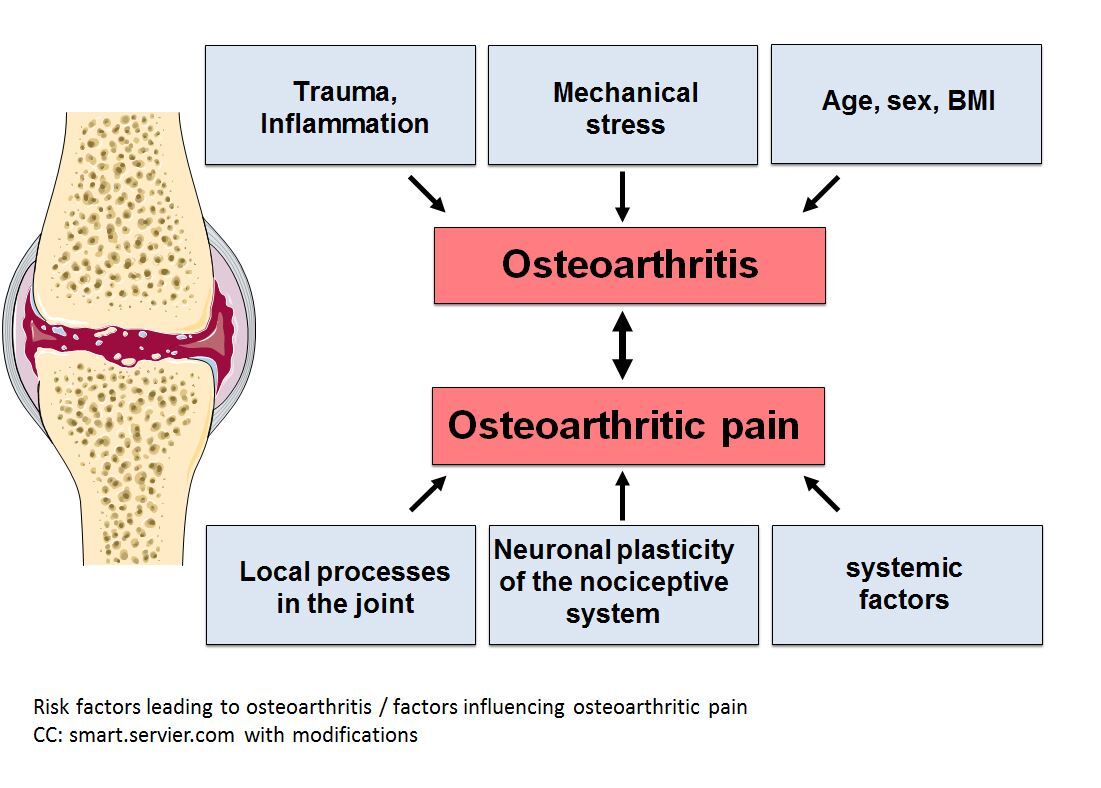
Osteoarthritis is the most common disease of the knee/hip joint and in the advanced stage leads to an almost complete loss of the hyaline cartilage, functional limitations and severe joint pain. Therapeutic measures for the preservation or regeneration of destroyed articular cartilage are limited. In the advanced stage, the only therapeutic option is the replacement of the destroyed joint by an artificial joint. The most important risk factors for the development of osteoarthritis are age, obesity, joint trauma and instability. Metabolic and endocrine disorders (e.g., diabetes mellitus) can also contribute to the pathogenesis. We aim to characterize osteoarthritis-induced changes in the knee/hip joint and to identify factors that are important for osteoarthritis-related joint pain.
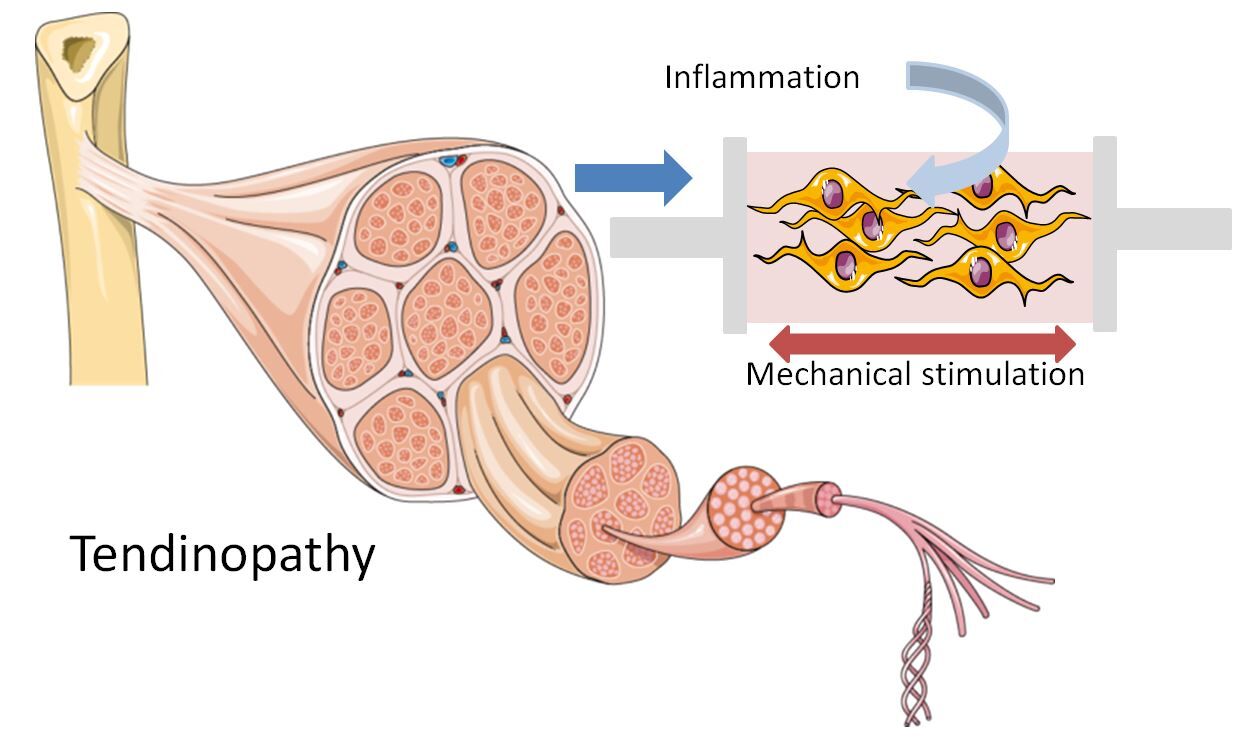
Analysis of factors influencing the biology of tenocytes isolated from different human tendinopathies. CC: smart.servier.com with modification

Tendinopathy

Tendons as bone and muscle connecting elements are important for movement and impairments of tendon function result in pain and restricted mobility. Tendons are subject to strong mechanical stresses and show with age clear degeneration, which can lead to functional impairment and rupture. The role of inflammatory processes in disorders of the tendons is controversially discussed to this day, but participation is usually to be assumed. The aim of our research is the acquisition of basic knowledge on the pathology of tendon degeneration, processes of regeneration, the influence of the immune system and mechanical loading.

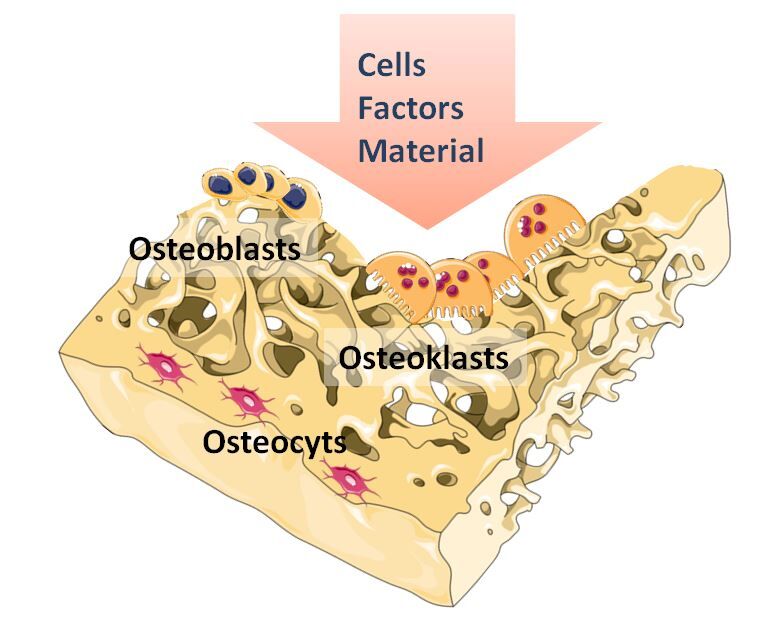
Simplified presentation of cells important for bone regeneration and factors influencing this process Osteoblasts: bone formation Osteoclasts: bone resorption Osteocytes: Homeostasis CC: smart.servier.com with modification

Bone regeneration

Bone has the special ability to heal without the formation of an inferior scar tissue. Unfortunately, this physiological process can be disturbed and resulting in a non-healing of a fracture. Also, the bone structure may be weakened in age and due to systemic conditions, which is clearly shown in the form of osteoporosis. The examination of physiological bone metabolism and healing in comparison to pathological changes makes it possible in the future to develop new therapies to improve bone regeneration.

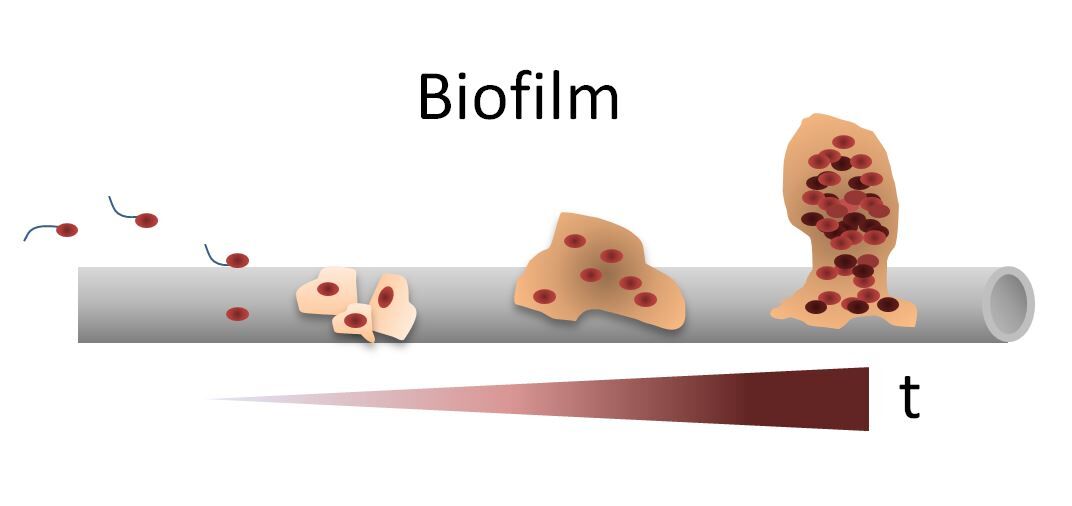
Formation of a biofilm on an implant surface.

Infection

An implant-associated infection of the bone has a dramatic consequence for the patient and is often associated with lengthy treatment. The cause is a bacterial biofilm on the implant surface that often renders antibiotic therapy ineffective. Ideally, the colonization of surfaces by bacteria is immediately prevented. For this we conduct research on antimicrobial surfaces. But also antimicrobial substances penetrating the biofilm are investigated.

Research
Sitemap