


AURA-Kollegiatinnen und -Kollegiaten
Hier finden Sie eine Übersicht der Kollegiatinnen und Kollegiaten, die vom Else Kröner-Promotionskolleg AURA gefördert werden.


Wintersemester 2024/25 und Sommersemester 2025
Wintersemester 2024/25
Julia Armstroff
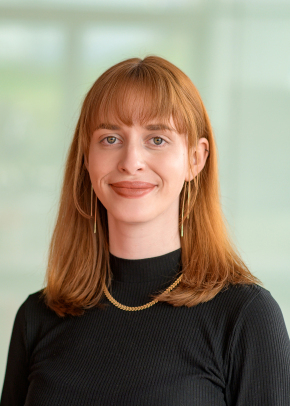
Principal Investigator: PD Dr. Stefanie Deinhardt-Emmer
Project title:
The role of RNF213 in lung infections
Abstract: Pneumonia, one of the most common fatal infectious diseases, is caused by a variety of pathogens, including Influenza A Virus (IAV) and S. aureus. An important protein in the immune defence against these infections is the E3 ubiquitin ligase RNF213. Our project focuses on the role of RNF213 in mitophagy, a cytoprotective mechanism that pathogens can exploit to promote their intracellular persistence. By infecting primary human lung fibroblasts and human monocyte derived macrophages, we are investigating RNF213 in IAV or S. aureus infections and its relationship to mitophagy to determine whether these pathogens utilize RNF213 to induce mitophagy to enhance their intracellular survival.
Julia Regina Barthl

Principal Investigator: PD Dr. Ivonne Löffler, Prof. Dr. Gunter Wolf
Project title:
MORG1 as a potential target for regulating autophagy in the ageing kidney
Abstract: MORG1 (also known as WDR83) is a scaffold protein in the HIF and Erk signalling pathways and regulates basal autophagy. Reduced MORG1 expression provides renal protection and decreases renal fibrosis in diabetic mice, but this effect disappears in ageing MORG1 KO animals, where fibrosis is actually increased. This project will investigate whether the age-related kidney damage associated with reduced MORG1 expression is related to its role in autophagy. Key questions include whether the MORG1 genotype influences age-related autophagy abnormalities in vivo and whether the profibrotic cytokine TGF-β1, which plays a central role in renal ageing, induces autophagy via the MORG1-mTORC1 axis.
Courage Edem Kumah

Principal Investigator: PD Dr. Marten Szibor, Prof. Dr. Torsten Doenst
Project title:
Investigating the role of autophagy in the transition from hypertrophy to contractile
failure in rat hearts challenged with pressure overload
Abstract: Heart failure is the inability of the heart muscle to pump blood to meet the metabolic demands of the body, with hypertrophy and contractile failure as key milestones. Autophagy, a cellular degradation mechanism, has been implicated into this transition although the exact mechanism remains unclear. Cardiolipin, a mitochondrial phospholipid, translocates to the outer mitochondrial membrane during mitochondrial damage, signalling autophagy. Using a Sprague-Dawley rat model of transverse aortic constriction (TAC)-induced heart failure, this study examines changes in autophagic proteins and shifts in cardiolipin isoforms. By correlating these, we aim to better understand the dynamics of mitochondrial dysfunction and autophagy after TAC.
David Maria Lacher

Principal Investigator: Prof. Dr. Ignacio Rubio
Project title:
Role of autophagy in the hepatic host response to infection and metabolic stress
Abstract:The liver responds to infection with a robust reprogramming of its metabolic and secretory landscape. One poorly understood aspect is the role of autophagy, as the liver reacts to pharmacological and metabolic stress with particularly high levels of autophagy. This project focuses on the regulation and role of hepatocyte autophagy in the context of inflammatory stress in liver organoids. By using a panel of stressors and hepatotoxins, we expect to gain a comprehensive view of how stress-induced autophagy modulates hepatocyte stress responses, which may reveal new approaches to enhance liver resilience in severe infections or other conditions of liver failure.
Emma Luttermann
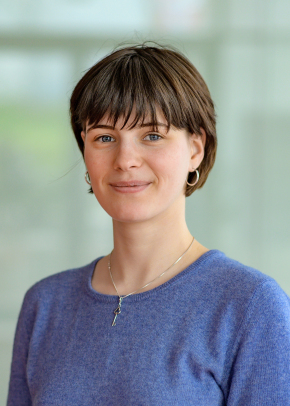
Principal Investigator: Prof. Dr. Ralf Mrowka
Project title:
Interplay of Toll-like receptor 4 signalling and autophagy initiation
Emily Richter-Riediger
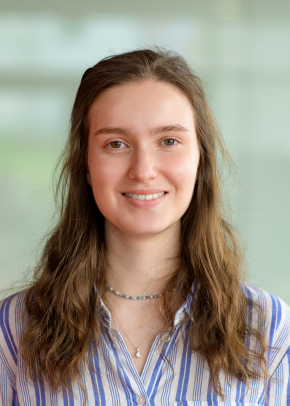
Principal Investigator: Dr. Annett Eitner; Prof. Dr. Britt Wildemann
Project title:
Interaction of autophagy and JAK/STAT3 signalling in osteoarthritis-affected cells
Abstract: Osteoarthritis (OA) is the most common age-related joint disease. It is characterised by cartilage degradation, bone sclerosis, and synovial inflammation. This project will investigate the interaction between autophagy, a cellular recycling mechanism, and the JAK/STAT3 signalling pathway, which plays a role in many vital biological processes including cell proliferation, differentiation, apoptosis, and immune regulation. Human chondrocytes and synoviocytes obtained from OA patients undergoing knee arthroplasty will be cultured and treated with the JAK/STAT3 inhibitor baricitinib, the activator interleukin-6, and autophagy modulators (rapamycin, SRT 1720, chloroquine, bafilomycin, MRT67307). The effects on autophagy, JAK/STAT3 signalling and inflammatory mediators will be analysed via PCR, ELISA, and microscopy.
Raphael Nicolas Schnellbächer
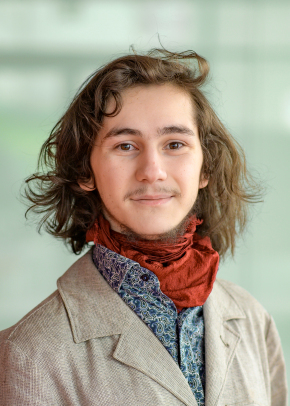
Principal Investigator: Dr. Patricia Franzka; Prof. Dr. Christian Hübner
Project title:
Studying the role of autophagy in a congenital disorder of glycosylation
Abstract: We have previously reported that a defect of GDP-mannose pyrophosphorylase A (GMPPA) causes a rare congenital disorder of glycosylation. We also demonstrated that GMPPA restricts the levels of the sugar donor GDP-mannose and thus controls its incorporation into glycan structures. The absence of GMPPA therefore results in the hyperglycosylation of proteins. As several proteins autophagy-related proteins are regulated in tissues of GMPPA-deficient mice, we hypothesise that defective autophagy may be involved in the disease’s pathogenesis.
Hermine Wenzel

Principal Investigator: Prof. Dr. Thomas Ernst; Dr. Jenny Rinke
Project title:
Effects of tyrosine kinase inhibition and venetoclax treatment on autophagy in chronic myeloid leukemia
Abstract: Although chronic myeloid leukaemia (CML) can be effectively treated with tyrosine kinase inhibitors (TKIs), many patients experience a relapse after discontinuing treatment due to the presence of TKI-resistant CML stem cells. A key factor in their survival is the anti-apoptotic protein BCL-2, which inhibits autophagy. The VARIANT clinical trial is exploring the potential of venetoclax, a BCL-2 inhibitor, in reducing CML stem cells after TKI discontinuation. This trial provides an opportunity to investigate the combination of venetoclax and TKIs to alter autophagy and induce apoptosis in CML (stem) cells using cell line models and primary patient samples, analysed by flow cytometry, quantitative PCR, and Western blotting.
Sommersemester 2024/25
Onurcan Berat Bilir
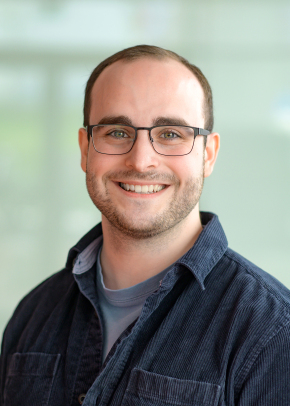
Principal Investigator: Prof. Dr. Diana Dudziak
Project title:
Determining autophagosome mediated antigen presentation in dendritic cell subpopulations
Helena Barbara Meier
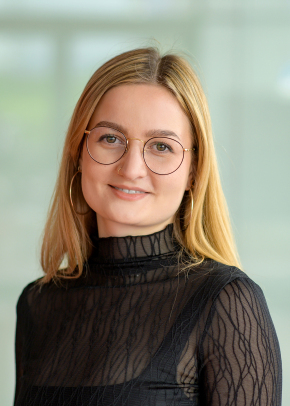
Principal Investigator: PD Dr. Silke Keiner
Project title:
The impact of the GABAergic system on the autophagy of amyloid precursor protein and amyloid plaques
Abstract: Alzheimer’s disease (AD) is a progressive neurodegenerative disorder characterised by the accumulation of amyloid-beta (Aβ) plaques, which lead to synaptic dysfunction and cognitive decline. There is emerging evidence that suggests dysregulation of the GABAergic system plays a significant role in AD pathology, particularly through its influence on neuronal excitability and intracellular signalling pathways. Nevertheless, the precise mechanisms through which the GABAergic system, and chloride cotransporters in particular, regulate clearance of amyloid precursor protein (APP) and Aβ plaques via autophagy remain unclear. The aim of this study is to elucidate the role of chloride cotransporters in modulating autophagic flux and amyloid degradation.
Wintersemester 2025/26 und Sommersemester 2026
Wintersemester 2025/26
Lea Illgen

Principal Investigator: PD Dr. Stefanie Deinhardt-Emmer
Project title:
Aging-driven changes in mitochondrial function and the impact of Influenza A virus
Abstract: Aging is associated with mitochondrial dysfunction and impaired mitophagy, the process by which defective mitochondria are degraded. This contributes to increased susceptibility to respiratory infections, such as Influenza A Virus (IAV) infections. Our project investigates the impact of mitophagy on virus replication and immune host response in aged lung cells. To analyze mitochondrial function and mitophagy during IAV infection, we use primary human senescent and quiescent lung fibroblasts as an in vitro model and precision-cut lung slices from young and aged mice as an ex vivo model.
Johanna Marie Schicke

Principal Investigator: PD Dr. Silke Keiner
Project title:
Interplay between microglia and the chloride transporters NKCC1 and KCC2 in modulating neuronal autophagy during the early plaque phase of Alzheimer’s disease
Abstract: Alzheimer’s disease (AD) is a progressive neurodegenerative disorder of the brain and the most common cause of dementia worldwide. Pathologically, it is characterised by the accumulation of misfolded proteins, such as amyloid-beta plaques. Furthermore, the balance between the chloride cotransporters NKCC1 and KCC2 is altered, leading to dysregulation of the GABAergic system and increased neuronal excitability.
Microglia, the primary immune cells of the central nervous system, play a complex role in AD by mediating inflammation, clearing cellular debris through phagocytosis and contributing to neurodegeneration. The aim of our project is to investigate the role of microglia in the relationship between neuronal hyperactivity and impaired autophagy.
Hannah Schieder

Principal Investigator: Prof. Dr. Ulf Schnetzke; Dr. Maximilian Fleischmann
Project title:
Combining FLT3- and BCL2-inhibition with autophagy inhibition to overcome resistance in FLT3-ITD positive acute myeloid leukemia
Abstract: Acute myeloid leukaemia (AML) is an aggressive disease for which relapse remains a major therapeutic challenge. Although patients with FLT3 mutations benefit from targeted inhibitors such as gilteritinib, they often develop adaptive resistance, which is potentially driven by increased autophagy. Autophagy, a stress response mechanism, enables both bulk AML cells and leukemic stem cells (LSCs) to survive treatment and maintain the disease. The goal of this project is to establish venetoclax- and gilteritinib-resistant AML models in order to analyse the role of autophagy in resistance mechanisms and to evaluate the potential of combining FLT3- and BCL2-inhibition with autophagy inhibition to overcome resistance in FLT3-ITD-positive AML.
Sommersemester 2026
Johanna Eva Maria Weiß

Principal Investigator: PD Dr. Ivonne Löffler
Project title:
Sex differences in autophagy of proximal tubular cells in vitro and in type 2 diabetic MORG1 knockout mice
In this project, we will investigate sex-specific regulation of renal autophagy using in vitro (cell lines), ex vivo (kidney-derived tubuloids), and in vivo (T2DM in Morg1 wild-type and knockout mice) approaches. Specifically, we will examine the impact of hyperglycaemic conditions and the role of the profibrotic marker TGF-β1.